
Laptop vs PC in Gaming
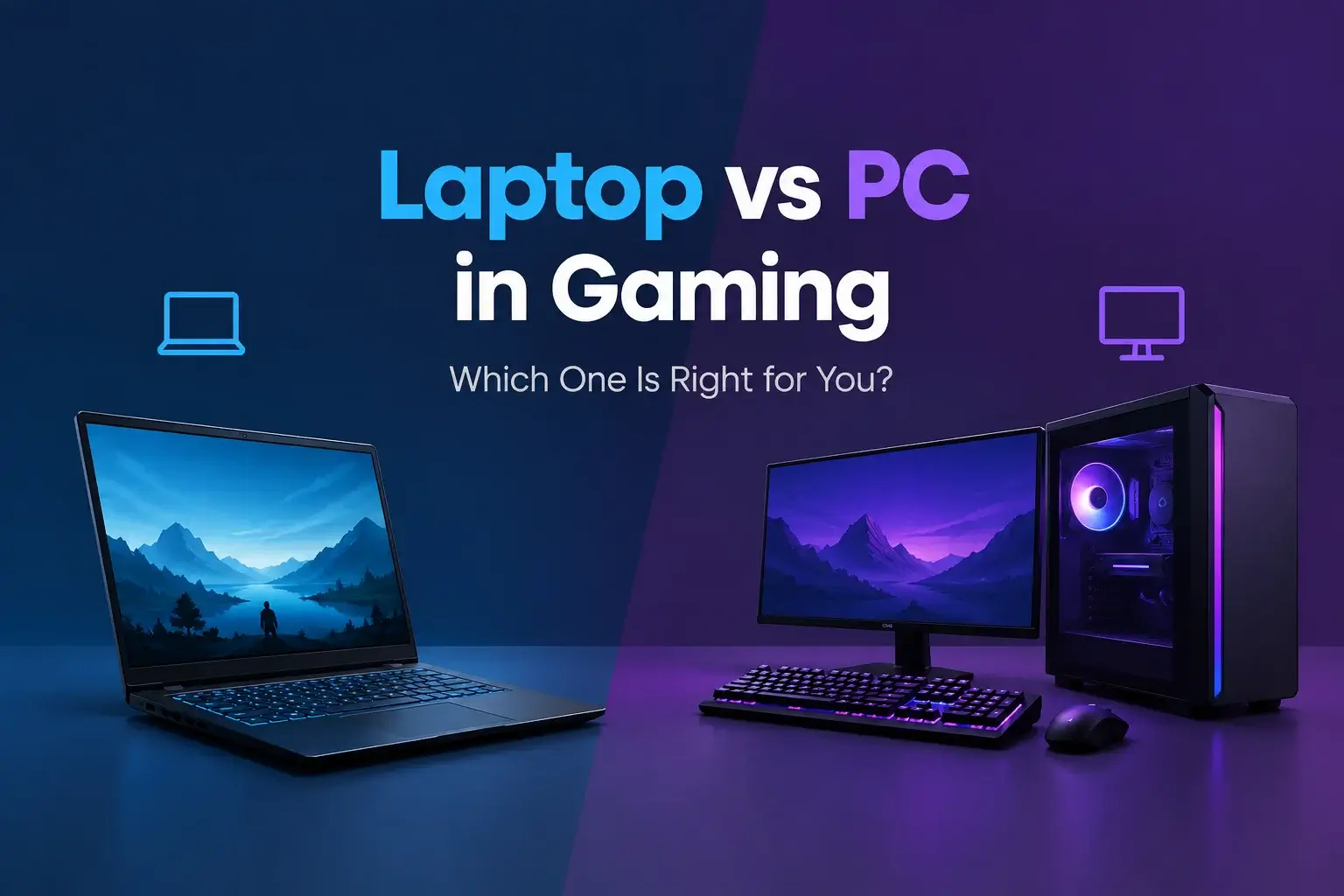
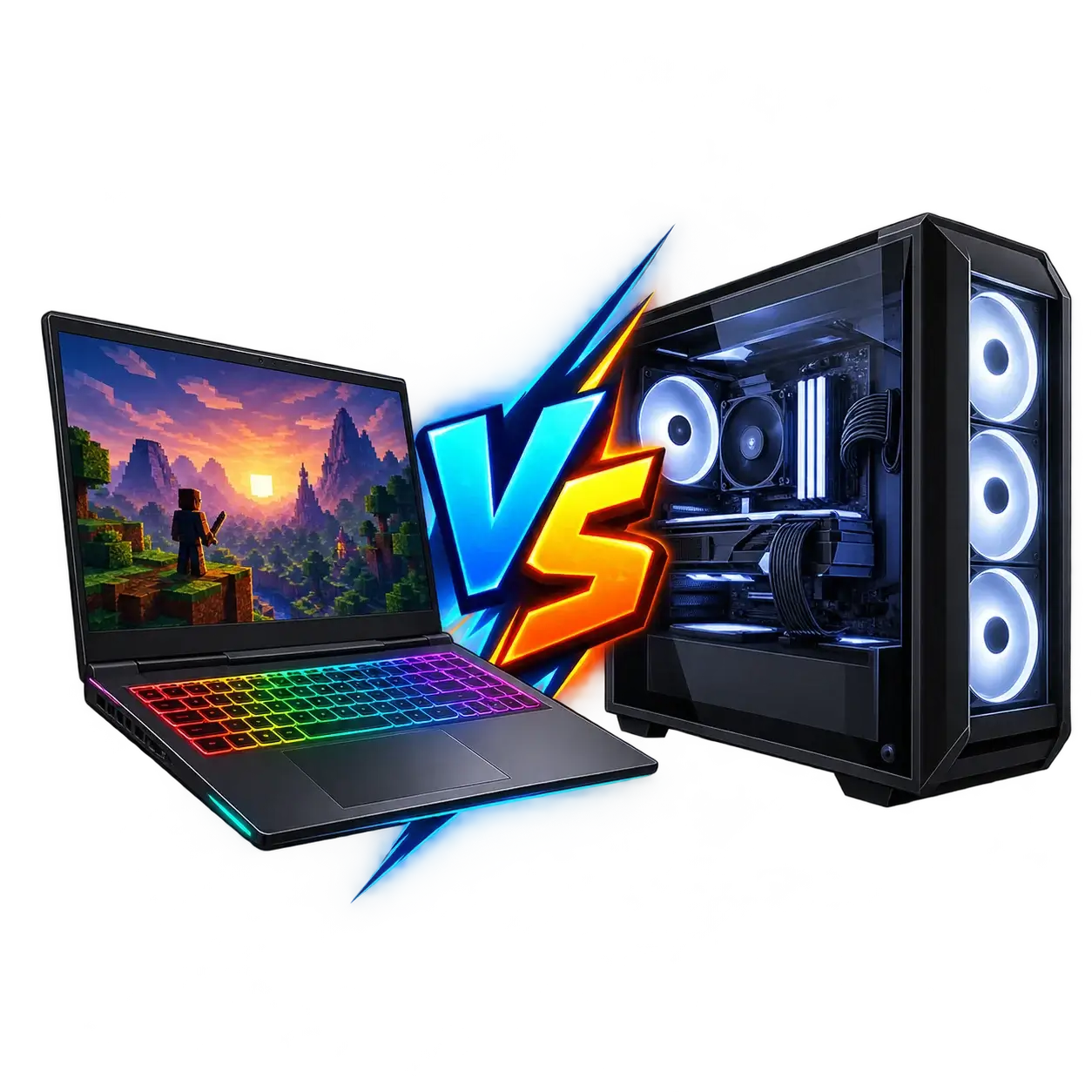
Selection of the proper hardware determines your success in Laptop vs PC in Gaming discussion. Every fan assesses Laptop vs PC in Gaming parameters every day. In assessing Laptop vs PC in Gaming configurations, speed is very important. Gamers always compare Laptop vs PC in Gaming hardware before purchase. Moreover, Laptop vs PC in Gaming decisions made in current times determine your gaming style every day. Desktops provide the highest processing power for big open world games. Mobiles provide the highest mobility while playing on the move anywhere. Hence, knowing the basics saves you from making expensive mistakes.
Core System Selection and Architecture
When deciding whether to buy a gaming laptop or desktop, one needs to take some time to think it over. First of all, desktops have better performance and easy upgradability. Second, you can replace old parts whenever you want. In this way, hardware upgradability is a huge advantage for towers. Moreover, large enclosures give great opportunities for cooling the system. Thus, desktop components will operate at lower temperatures even when heavily loaded. On the other hand, laptops focus on small and compact design. In this case, buyers should balance power and lifestyle.
Managing Heavy Blockbuster Workloads
Where performance is important, the pressure for blockbusters ensures that hardware is pushed to its very limits. For example, playing Minecraft with heavy shaders requires good hardware. Furthermore, large open-world games require intensive processing by the graphics card. As such, cheap laptops cannot cope with smooth frame rates. Also, games like Red Dead Redemption 2 require heavy VRAM requirements. Consequently, desktops are better at handling high resolution asset loading. In addition, optimization determines the real gaming experience. As such, heavy games reveal system limitations very fast.
Surviving Open-World Visual Density
Likewise, epic open-world adventures necessitate peak hardware performance optimization. For instance, Red Dead Redemption 2 boasts stunning graphical depth. Also, landscape rendering puts extreme stress on mobile CPUs. Hence, compact laptops encounter extreme temperature restrictions. Also, fast texture loading calls for quick solid-state drives. Consequently, tower desktops load high-quality graphics more quickly. Meanwhile, advanced mobile graphics cards manage such games fairly well. But, cooling in desktops ensures no sudden drop in temperatures during game sessions. In the end, immersive gamers favor constant desktop FPS.
Conquering High-Speed Racing Physics
In addition, high-speed racing titles require robust graphic processing. For instance, Forza Horizon 6 pushes rendering engines hard. Furthermore, detailed car physics require massive CPU calculations. Therefore, stuttering ruins high-speed cornering moments completely. Additionally, fast streaming requires modern NVMe storage solutions. Thus, desktops maintain consistent performance during long races. Meanwhile, gaming laptops with vapor-chamber cooling handle racing fine. However, desktop airflow prevents mid-race thermal throttling. Ultimately, driving fans demand absolute frame stability. Therefore, hardware choice matters significantly here.
Processing Cinematic Action Sequences
Furthermore, cinematic action games require exceptional system resources. For instance, 007 First Light demands high-end hardware performance. Furthermore, intense espionage sequences feature complex real-time particle effects. Therefore, frame drops ruin precise stealth and shooting actions. Additionally, modern narrative games utilize advanced ray-tracing techniques. Thus, desktop graphics cards handle these lighting loads effortlessly. Meanwhile, powerful gaming laptops run these missions well too. However, battery drains rapidly during mobile gaming sessions. Ultimately, action fans demand high frame stability. Therefore, hardware optimization matters immensely here.
Preparing for Future Graphics Demands
Moreover, massive upcoming blockbusters test future hardware limits. For instance, GTA 6 anticipates unprecedented graphical fidelity demands. Furthermore, dense urban populations require massive memory bandwidth. Therefore, older desktop cards face severe performance hurdles. Additionally, mobile GPUs struggle with complex open-world physics. Thus, upgrading your rig becomes mandatory for players. Meanwhile, developers optimize titles for next-gen console hardware. However, PC players expect superior visual settings. Ultimately, preparing for GTA 6 requires smart investments. Therefore, research upcoming hardware requirements right now.
Dominating Competitive Esports Tournaments
Competitive video games, on the other hand, emphasize fast frame rates. For example, electronic sports need ultra-low latency. Moreover, fast refresh rate screens need consistency. As such, desktop computers take over all competitive electronic sports matches without exception. Moreover, thermal stability helps maintain stable frame rates. In this way, competitive players do not have any thermal throttling problems on their mobiles. On the other hand, premium laptops handle esports video games fairly well. Yet, desktop devices have more ergonomic precision.
Running Lightweight Indie and Casual Titles
Conversely, lighter indie games run smoothly across all platforms. For instance, vanilla Minecraft runs on almost any laptop. Furthermore, basic hardware requirements keep the game accessible. Therefore, school laptops handle simple block building easily. Additionally, low resource usage allows massive multiplayer sessions. Thus, casual players enjoy great flexibility with devices. Meanwhile, heavily modded Minecraft demands massive RAM allocations. Hence, even block games require hardware upgrades eventually. Ultimately, versatility remains a major hardware advantage. Therefore, evaluate your favorite game genres carefully.
Overcoming Thermal Management Hurdles
Also, thermal management is what makes laptops different from desktop towers. This is because laptops have to fit fans in tiny spaces. Moreover, heat builds up quickly when gaming for hours. Hence, thermal throttling slows down your clock speed. Also, desktop towers make use of huge heatsinks and fans. As a result, cooled parts operate at maximum efficiency forever. On the other hand, cooling pads assist laptops to endure heat. But, physical space constrains laptop cooling. In conclusion, thermodynamics favor big desktop computers.
Evaluating Long-Term Component Upgrade Paths
Furthermore, component upgrade paths differ drastically between platforms. For instance, desktop users replace single aging parts easily. Furthermore, motherboards support new processor generations over time. Therefore, desktop systems last many years with upgrades. Additionally, laptop components are soldered directly onto boards. Thus, upgrading a laptop usually means buying entirely new systems. Meanwhile, storage and RAM upgrades remain exceptions. However, core graphics performance stays permanently locked. Ultimately, long-term value favors custom desktop towers. Therefore, consider future upgrade potential very carefully.
Expanding Display Options and Immersion
Moreover, display options impact your overall gaming immersion. For instance, desktop users connect massive multi-monitor setups. Furthermore, ultra-wide screens enhance open-world game exploration. Therefore, visual details pop across large desktop displays. Additionally, laptops feature smaller screens built directly inside. Thus, gamers buy external monitors for home desk use. Meanwhile, built-in laptop screens offer great travel convenience. However, screen real estate affects productivity and gaming. Ultimately, visual preference dictates your desktop workspace layout. Therefore, match your monitor to your room.
Embracing Ultimate Mobile Portability
On the other hand, portability is still the greatest gaming laptop superpower. In fact, professionals traveling a lot need powerful mobile computers. Moreover, students appreciate portable devices for taking notes and playing games. In this case, mobility is more important than the slight loss in performance. Also, gamers at home enjoy getting maximum processing power on their desktops. That is why powerful custom PC rigs are used on stationary desks. However, money issues determine the final choice. Yet, adapting specs to personal habits will bring satisfaction.
Balancing Financial Value and Expenses
Moreover, financial value differs greatly among both hardware types. For example, desktop towers provide better performance per dollar. Moreover, laptops incur additional costs due to compact design and screens. As a result, thrifty gamers will benefit more from towers. Moreover, purchasing a desktop involves additional peripheral costs. Consequently, initial purchase costs may be evened out for some time. On the other hand, laptops come with built-in screens and keyboards. Nevertheless, replacement costs will eventually be in favor of desktops. In conclusion, pure value lies in custom desktop computers.
Serving Distinct Gamer Lifestyles
In summary, both platforms serve distinct gamer lifestyles brilliantly. For instance, frequent travelers require reliable portable machines. Furthermore, stationary players benefit from raw tower performance. Therefore, neither platform represents a universally wrong choice. Additionally, modern manufacturing narrows the mobile performance gap. Thus, today’s gaming laptops handle heavy workloads well. Meanwhile, traditional desktops retain crown performance margins. However, personal habits dictate final purchasing decisions. Ultimately, matching hardware to lifestyle ensures optimal satisfaction. Therefore, select your ideal system wisely.
Looking Toward Future Hardware Evolution
Finally, gaming technology continues evolving at a rapid pace. For instance, hardware manufacturing breakthroughs improve mobile efficiency constantly. Furthermore, cloud gaming blurs traditional hardware boundaries further. Therefore, future gamers enjoy unprecedented flexibility everywhere. Additionally, hardware evolution mirrors software demands brilliantly. Thus, tomorrow’s systems will render even more realism. Meanwhile, desktop modularity remains a timeless engineering triumph. However, portable convenience drives immense market growth. Ultimately, computer hardware has a bright future ahead. Therefore, keep exploring new digital worlds today.
Conclusions: Laptop vs. Desktop Hardware Performance
Synthesizing Core Hardware Differences
To sum up, the choice of hardware fully relies upon your lifestyle requirements. To be more precise, desktop computers have unparalleled processing ability and thermal characteristics. Moreover, laptops have unparalleled spatial advantages and mobility. Hence, potential consumers have to compare performance versus mobility. On top of that, long-term upgrade options clearly favor custom desktop computers. Therefore, knowing engineering differences between the two will help to avoid unnecessary purchases. After all, neither computer works well for everybody.
Evaluating Heavy Workload Demands
Also, asking for blockbusters involves huge hardware expenditures. For example, games such as Red Dead Redemption 2 are quite challenging. Moreover, future releases such as GTA 6 have huge requirements to VRAM. This means that small laptops cannot perform stable high-resolution rendering. On the other hand, desktop towers cope with heavy assets easily. This is why stationary rigs are better in terms of visual stability. On the other hand, mobile GPUs perform moderately under average loads. Yet, thermal throttling becomes an issue in case of long mobile gaming sessions.
Final Verdict on Future-Proofing
Moreover, future-proofing your computer gaming involves good foresight. This is because modular PC systems can allow upgrades. In addition, laptop computers with soldered components cannot be upgraded in the long run. This implies that desktop towers have better value for several years to come. Also, ongoing development of hardware increases efficiency in mobility. Consequently, tomorrow’s systems will reduce performance disparities even more. Nevertheless, natural law of thermodynamics remains to support big computer cases. Nonetheless, portability keeps pushing innovations in the marketplace. Eventually, computer hardware has a bright future ahead of it.
- Click here to visit our main page.